Economic Times
August 18, 2026
Indian Exporters Suffer Twists and Turns of Freight Amid Lanka, Singapore Transhipment Jam
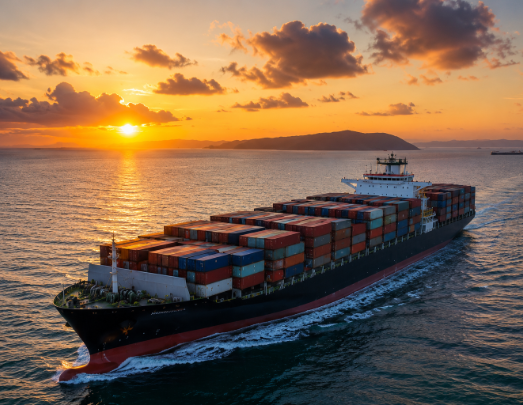
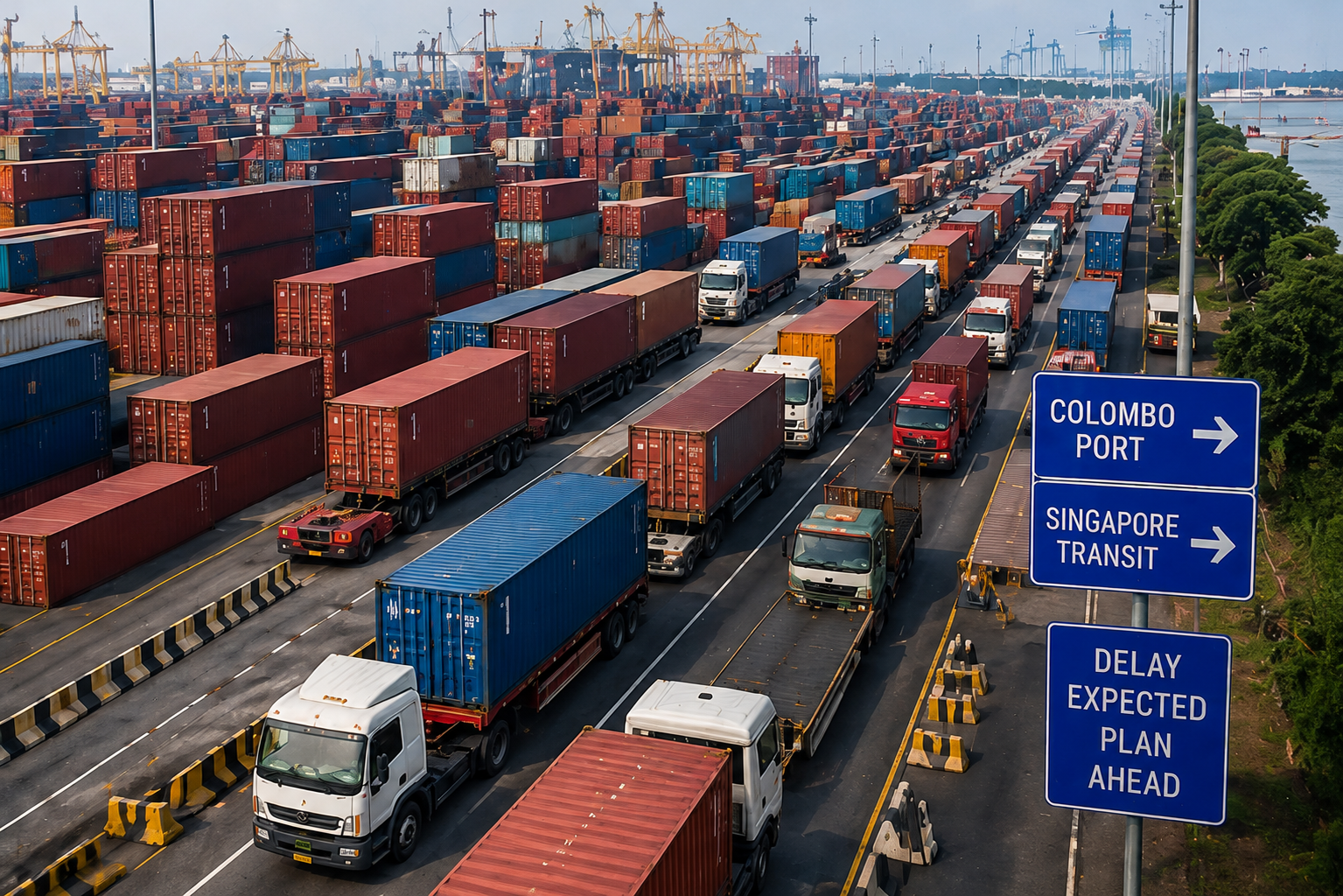
Indian exporters are facing freight delays and disruptions due to congestion at key transhipment hubs in Singapore and Colombo. These challenges are creating uncertainty across international shipping routes and affecting the movement of export cargo.
A surge in China–US trade has further tightened container availability, adding pressure to global shipping networks. For Indian exporters, the situation can lead to longer transit times, higher freight costs and delays in cargo movement.
Impact on Indian Exporters
Congestion at major transhipment ports can have a direct impact on the efficiency of international trade. Delays in vessel connections and limited container availability may affect shipment schedules and delivery commitments.
Exporters are therefore required to closely monitor shipping schedules, container availability and routing options while planning their international shipments. Effective freight planning and timely coordination with logistics partners can help businesses manage potential disruptions.
Why Transhipment Hubs Matter
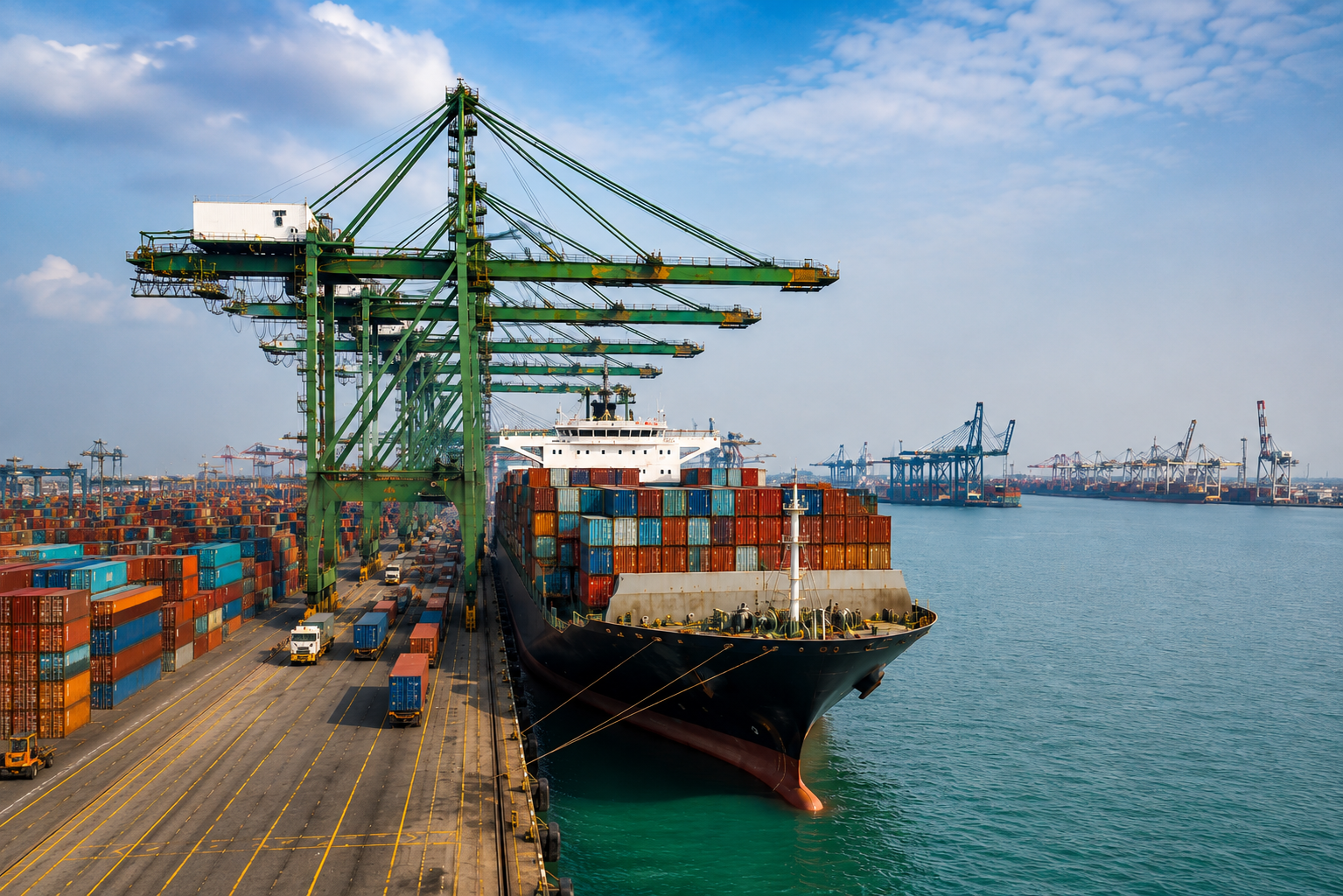
Singapore and Colombo play an important role in connecting Indian cargo with global markets. Any congestion at these major hubs can create a ripple effect across supply chains, impacting cargo movement beyond the affected ports.
As global trade patterns continue to evolve, reliable logistics planning and flexible transportation solutions remain essential for maintaining smooth international cargo movement.
What Businesses Should Consider
Businesses involved in international trade should plan shipments well in advance, consider alternative routing options and maintain close communication with freight forwarders and shipping partners during periods of congestion.
Key Considerations
- Monitor port congestion and vessel schedules.
- Plan shipments with sufficient transit-time flexibility.
- Check container availability before dispatch.
- Evaluate alternative routing options when required.
Building Resilient Supply Chains
- Maintain regular communication with logistics partners.
- Track shipments throughout the transportation process.
- Prepare contingency plans for unexpected delays.